Cannabis Use Disorder: Signs, Risks, and When to Seek Help
by Michael Walsh
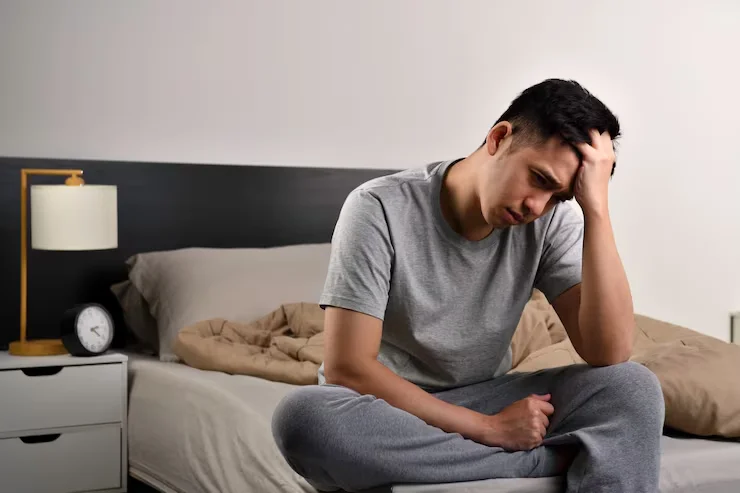
More people are beginning to explore what cannabis use disorder means and how it affects health, well-being, and everyday life. Cannabis is often viewed as harmless, soothing, or natural, but for some individuals, it can become something they rely on more than they expected. I meet many people who tell me they did not realize their use had become problematic until they tried to cut back and felt overwhelmed, anxious, or unable to follow through.
Cannabis use disorder involves patterns of use that begin to affect mood, motivation, sleep, thinking, relationships, or daily functioning. Understanding the early signs and symptoms of cannabis use disorder can bring clarity and help you decide if it is time to seek support.
Key Takeaways
- Cannabis use disorder can affect motivation, sleep, mood, concentration, and overall well-being.
- Signs may include cravings, difficulty cutting back, irritability, and relying on cannabis to manage stress or emotions.
- Risks include anxiety, memory issues, reduced motivation, and withdrawal symptoms.
- Treatment for cannabis use disorder can support emotional regulation, sleep, and long-term health.
- Support options are available online throughout British Columbia.
Understanding Cannabis Use Disorder
Cannabis use disorder develops gradually. It often begins with occasional use that becomes more frequent, then turns into something a person depends on to relax, sleep, or cope emotionally. This pattern can mirror the same emotional, behavioural, and physical cycles that shape how addiction develops.
The cannabis use disorder criteria often include
- Difficulty reducing use
- Cravings or urges
- Using more than intended
- Feeling unable to manage stress without cannabis
- Continuing use despite negative effects
According to the Canadian Centre on Substance Use and Addiction, cannabis can cause dependence and withdrawal, and heavy or long-term use can impact memory, mental health, and daily functioning.
Recognizing these patterns early can make a significant difference in cannabis use disorder treatment
Signs and Symptoms of Cannabis Use Disorder
Many of the signs and symptoms of cannabis use disorder show up in small ways at first. People may notice that cutting back is harder than expected, or that they feel irritable, anxious, or restless when they try to stop.
Other signs may include
- Strong cravings or urges
- Relying on cannabis for sleep
- Losing interest in regular responsibilities
- Difficulty focusing or remembering tasks
- Changes in mood or motivation
I frequently hear from individuals who say they once used cannabis casually but now feel unable to relax or sleep without it. These experiences are common, and they are often the first signs that support might be helpful.
Risks Associated with Cannabis Use
Long-term cannabis use can affect mental clarity, motivation, emotional balance, and sleep quality. Some individuals experience anxiety, mood swings, reduced concentration, or long-term cognitive changes. Others begin to feel disconnected from goals or relationships.
As withdrawal symptoms appear, people may face irritability, restlessness, sleep disruption, or a sense of emotional fog. These patterns often become clearer when they explore the benefits of sobriety and the long-term impact of reducing substance use.
Risks may be stronger for those who use cannabis daily or who rely on it to cope emotionally.
When to Seek Help
It may be time to reach out for support if cannabis is affecting your mood, motivation, relationships, sleep, work, or overall sense of control. Many people begin looking for help after noticing that cannabis no longer feels optional, or when stopping brings discomfort or emotional distress.
Through online addiction treatment, I help people understand their use patterns and develop healthier coping strategies. This approach provides privacy, convenience, and care that fit into daily life.
Some individuals benefit from additional structure and long-term guidance through addiction recovery services. For those who want focused support specifically related to cannabis, personalized cannabis addiction treatment offers tools for managing cravings, improving sleep, and restoring emotional balance.
My Team’s Experience and Approach
My team and I have supported many people who felt uncertain or overwhelmed by their cannabis use. Some worried their concerns were not serious enough to ask for help, while others felt embarrassed or confused by the changes they were noticing in themselves.
Our approach is grounded, compassionate, and personalized. We help people understand the emotional and physical patterns behind their use so they can explore healthier alternatives and build confidence in their ability to change. There is no pressure to meet specific milestones. There is only steady guidance, respect, and care.
Clarity and Support
If you are concerned about cannabis use disorder or wondering whether your patterns of use are affecting your well-being, you are already taking an important step. You do not have to navigate this alone. I am here to support you with clarity, compassion, and a grounded approach that helps you feel understood and supported. You can reach me anytime at 250.896.8494 or Coach@MichaelWalsh.com.
Frequently Asked Questions
What are the early signs of cannabis use disorder?
Early signs may include cravings, irritability, difficulty cutting back, and relying on cannabis to relax or sleep. These patterns can become clearer with support. Reach out to us at 250.896.8494 or Coach@MichaelWalsh.com.
What are the risks of long-term cannabis use?
Long-term use can impact motivation, sleep, anxiety, and memory. Some people notice emotional changes or withdrawal symptoms. My team provides grounded support to help navigate these concerns.
How is cannabis use disorder diagnosed?
Diagnosis often involves frequency of use, cravings, dependence, and its impact on daily life. I help people explore these patterns with clarity and care. Call 250.896.8494 or email Coach@MichaelWalsh.com.
What are the treatment options for cannabis use disorder?
Support may include counselling, habit replacement strategies, emotional regulation, and online services tailored to your needs. I offer personalized guidance for each step. Contact me at 250.896.8494 or Coach@MichaelWalsh.com.
When should someone seek help?
If cannabis is affecting mood, sleep, motivation, or relationships, support can be helpful. My team works with individuals who seek gentle, steady guidance.
Get Help Creating Your Personal Roadmap
Questioning your relationship with cannabis can bring mixed feelings. Some people feel unsure whether their use truly needs attention or whether they should simply try harder to manage it on their own. It is common to feel caught between wanting relief, wanting clarity, and not knowing what the right next step looks like.
Having an experienced guide can help you explore these questions without pressure. Support can bring understanding around why cannabis became part of your routine, what your body and mind are responding to, and what changes might feel realistic rather than overwhelming.
I am an accredited Addiction Recovery Coach offering worldwide virtual support, as well as in-person support across Canada. If you are interested in one-to-one recovery coaching to help you reduce or stop cannabis use, I am always happy to answer your questions and talk through your options at a pace that feels right for you.
I offer a no-charge consult call for anyone who wants to talk about their own cannabis use or the substance use of a loved one. These conversations are completely confidential and free from pressure to make decisions before you feel ready.
If you would like to learn more about how I came to do this work, I invite you to read more about my personal story.
I’d also like to invite you to read more about my personal story here.
Michael Walsh
Phone or Text: 250.896.8494
Email: Coach@MichaelWalsh.com
Chat: Start a WhatsApp chat

About the Author
Michael Walsh
When I say I’ve been there, I mean it. I am a different person now, and I am fired up about helping other people get to the place where they, too, are living better, healthier, and bigger lives.